
Cost of Living in Whitefish, Montana (2026) – Budgets, and Housing Costs
Whitefish is one of Montana’s most in-demand mountain towns, close to major outdoor recreation, strong on community, and big on lifestyle. That demand shows up in pricing, especially in housing.
If you’re thinking about moving here (or buying/building), this guide breaks down the cost of living in Whitefish, so you can compare it to your current city and build a realistic monthly budget.
Table of Contents
- Quick Snapshot: Whitefish Cost of Living at a Glance
- Definitions, Dates, And Data Sources
- Monthly Budget Examples
- Housing Costs in Whitefish: Renting Vs Buying
- Utilities And Energy Costs
- Everyday Costs Beyond Housing
- Ways To Lower Your Cost of Living in Whitefish
- How Home Performance Can Lower Monthly Costs in Whitefish
- FAQs
- Build An Energy-Efficient Home in Whitefish
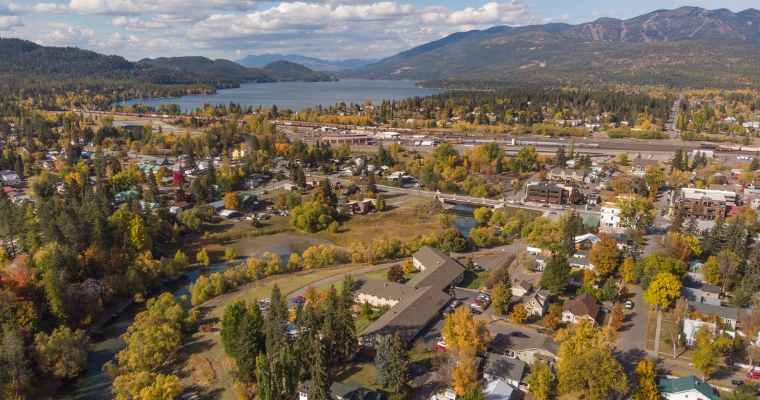
Quick snapshot: Whitefish cost of living at a glance
Fast takeaways
- Overall cost of living is above the U.S. average (a commonly cited score is 115.7, where 100 = U.S. average).
- Housing is the biggest swing factor: listings can sit around $1.4M, while “recently sold” medians can be much lower depending on what sold that period.
- Utilities can be close to the national average (your cited utilities index: 97 vs 100).
- Transportation tends to run higher (your cited index: 118).
- If you rent, rent trackers vary, but many show mid-$1,000s monthly depending on unit size and data source.
Whitefish Cost of Living Index
Index note: 100 = U.S. average. Higher = more expensive.
| Category | Whitefish index | What that usually means |
|---|---|---|
| Utilities | 97 | A touch lower than the U.S. average |
| Transportation | 118 | Noticeably higher than the U.S. average |
| Groceries | 111 | Higher than the U.S. average |
| Healthcare | 112 | Higher than the U.S. average |
| Metric | Value | What it represents |
|---|---|---|
| Average rent (all units) | $1,672 / month | Market “average” from rent tracking data (varies by unit mix + month). |
| Median listing price | ~$1.4M | What sellers are asking (list prices). |
| Median sold price | ~$825K | What homes actually sold for in the measured period. |
| Median listing price per sq ft | ~$737 | List-price density; helpful for comparing neighborhoods/stock. |
Definitions, dates, and data sources
- Cost of living score/index: A relative measure (100 = national baseline). It’s best used to compare places, not as a literal monthly bill.
- Median vs average: Medians resist “luxury outliers” better than averages.
- Listing price vs sold price: Listings show what sellers are asking; sold prices reflect what buyers actually paid (and can change quickly month to month).
- Rent trackers vary: Different sites track different buildings, different unit mixes, and different update cadences—so use ranges, not a single “perfect” number.
Monthly budget examples (realistic ranges)
Instead of guessing what you’ll spend in every category, start with your current monthly budget and adjust using the category indexes.
Step 1: Start with your current numbers
Write down what you spend now on:
- Rent or mortgage
- Utilities (electric + gas/heat + water/trash)
- Groceries
- Transportation (fuel + insurance + maintenance + parking)
- Healthcare (premiums + out-of-pocket)
Step 2: Adjust non-housing categories using the indexes
If your current monthly spend is:
- Groceries: multiply by 1.11
- Transportation: multiply by 1.18
- Healthcare: multiply by 1.12
Example: if you spend $700/month on groceries now, a similar lifestyle in Whitefish could land around $777 using the 111 index (700 × 1.11).
Step 3: Treat housing as its own decision
Housing is where Whitefish can swing your budget the most (rent vs buy, neighborhood, views, new build vs older home).
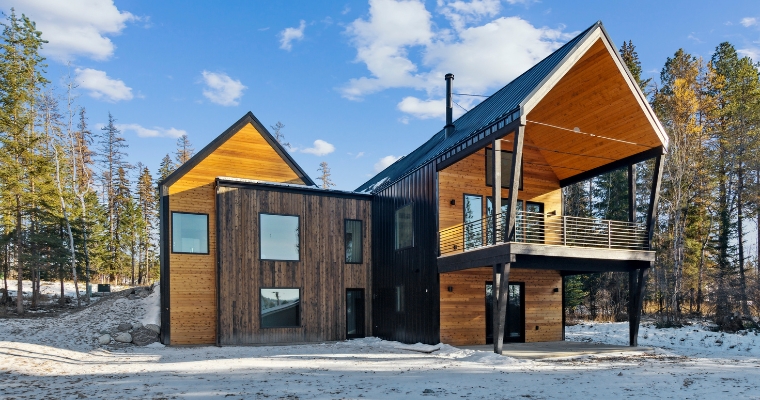
Housing costs in Whitefish: renting vs buying
Renting in Whitefish (what to expect)
Rent varies by season, unit size, and what’s included.
Some rent trackers show ranges by unit type (example: studios around ~$1,000+, 1-bed in the mid-$1,000s, 2-bed higher, 3-bed around ~$2,000+).
Other trackers publish a market “average” in the $1,700+ range depending on the month and dataset.
Practical renter checklist (to avoid surprise costs)
- What utilities are included (heat is a big one in snowy climates).
- Parking and snow removal responsibilities.
- Lease length and seasonal pricing.
Buying in Whitefish (what changes your monthly payment)
Your current page cites:
- Listings around $1.4M
- Recently sold median around $825K
- Median listing price per sq ft around $737
Those numbers can all be “true” at once—because they’re measuring different things.
Monthly cost components to spell out clearly
- Principal + interest (rate + down payment drives this)
- Property taxes
- Home insurance
- HOA (if any)
- Maintenance/repairs reserve
Add a simple comparison box
- Renting can keep your monthly predictable.
- Buying can build equity, but your monthly income can move with taxes, insurance, HOA, and maintenance.
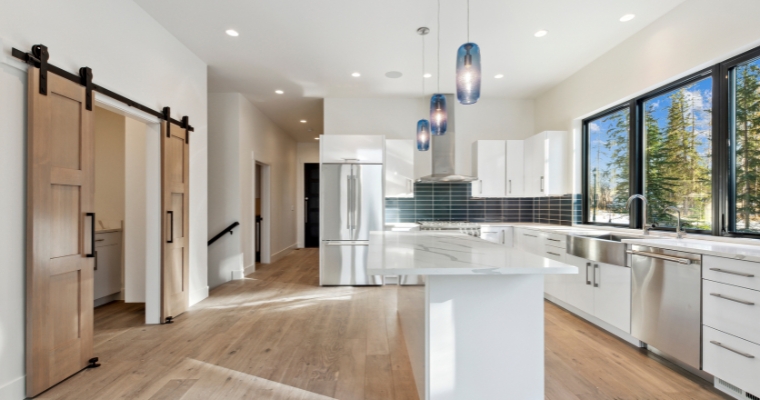
Utilities and energy costs: why home performance matters here
The weather in Whitefish, Montana plays a major role in energy use, especially during winter months. With about 65 inches of annual snowfall and long cold seasons, efficient home design is critical to managing monthly utility bills.
That’s why the quality of the home matters: insulation, air sealing, windows, and HVAC can have a bigger impact on comfort and bills than people expect.
“Top 5” upgrades that often cut monthly bills
- Air sealing + insulation
- High-performance windows/doors
- High-efficiency HVAC sized correctly for the home
- Smart thermostat + zoning (where it makes sense)
- Solar-ready planning (even if panels come later)
Everyday costs beyond housing (quick and scannable)
Based on the indexes currently cited on your page:
- Groceries: 111 (above U.S. average)
- Transportation: 118 (above U.S. average)
- Healthcare: 112 (above U.S. average)
Local “life logistics” that affect spend
- Commute time can be short (one profile shows ~15 minutes).
- Winter driving, tires, and vehicle upkeep can add to transportation costs.
Ways to lower your cost of living in Whitefish (without changing your lifestyle)
- Choose a home location that reduces driving (fuel + wear adds up fast with a 118 transportation index).
- Pick housing with solid thermal performance (drafty homes cost more to heat and feel worse).
- Ask for full utility history when renting or buying (winter bills matter).
- If you buy: budget a maintenance reserve monthly (small issues become big ones in tough seasons).
- Compare “nice to have” space vs “paid for” space: extra square footage is a long-term monthly cost.
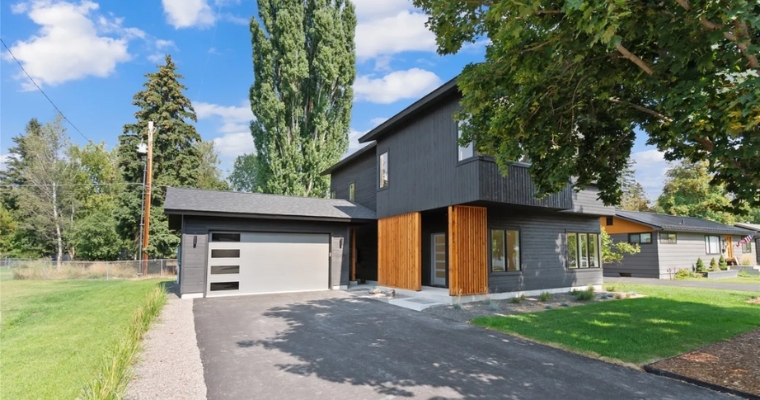
Eco-friendly homes: how home performance can lower monthly costs in Whitefish
If housing is your biggest expense, the next question is: how much control do you have over your ongoing monthly bills? That’s where home performance comes in.
An energy-efficient home can reduce ongoing costs through:
- Lower heating/cooling demand via insulation, windows, and tighter construction
- Water-saving fixtures that reduce water use
- Durable materials that can reduce repair/replacement frequency over time.
If you’re planning a build, it also helps to plan early for:
- Solar-ready infrastructure
- Healthy-home systems (ventilation, radon planning where needed)
- Layout choices that reduce wasted square footage
FAQs about the cost of living in Whitefish, Montana
Yes, Whitefish can be considered expensive, especially when compared to other small towns in Montana.
For most households: housing first, then transportation and groceries. Your current cited indexes support that pattern.
Bills vary widely by home age, insulation, windows, and HVAC. Even if an index looks “near average,” winter conditions mean home performance matters.
Montana publishes 2025 ordinary income tax tables showing two rates: 4.7% up to the bracket threshold and 5.9% above it (threshold varies by filing status).
Montana’s Department of Revenue shows different property tax rates by property type and, in some cases, value tiers and use (owner-occupied vs rental categories).
FEATURED DEVELOPMENT
824 E 10th Street in Whitefish, MT
Our newest single-family home combines classic Montana charm with a contemporary design, offering a luxurious and efficient living experience in a prime location.
Build an energy-efficient home in Whitefish – next steps (Eco Residency)
Whitefish offers an incredible lifestyle, but with an above-average cost of living in Whitefish, it pays to plan. Whether you’re renting, buying, or building, understanding how each cost category impacts your monthly budget is key.
Housing is your biggest lever. And in a four-season mountain town, energy efficiency isn’t just about sustainability, it’s about year-round comfort and lower ongoing expenses.
At Eco Residency, we help you design or choose a home that aligns with both your lifestyle and your long-term budget. From site selection to energy-smart upgrades, we focus on performance, durability, and lasting value.Enjoy all that Whitefish has to offer while keeping your living costs in check. Contact us today and learn how an eco-friendly home can save you money.